
No products in the cart.

Book Lover Gifts, Crafting Guides, Personalized Stationery
How Small Shops Create Premium Appeal with a Custom Embosser
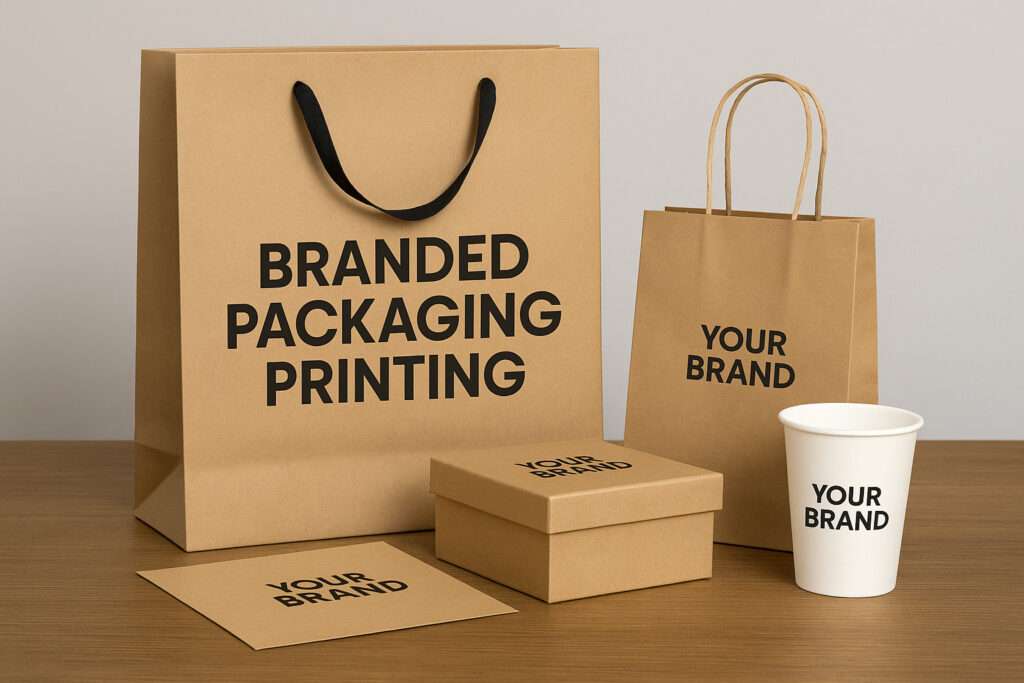
The difference between ordinary packaging and premium packaging is often one small detail.
Walk into any big-box store and the packaging is all the same. Glossy, printed, loud, temporary. It gets torn open and thrown away within seconds. But when a small shop sends out an order in a carefully wrapped kraft envelope with a raised embossed seal on the back, that package does not get thrown away immediately. It sits on the counter. Someone takes a photo. The impression under their fingers tells them this was handled by a person who cared.
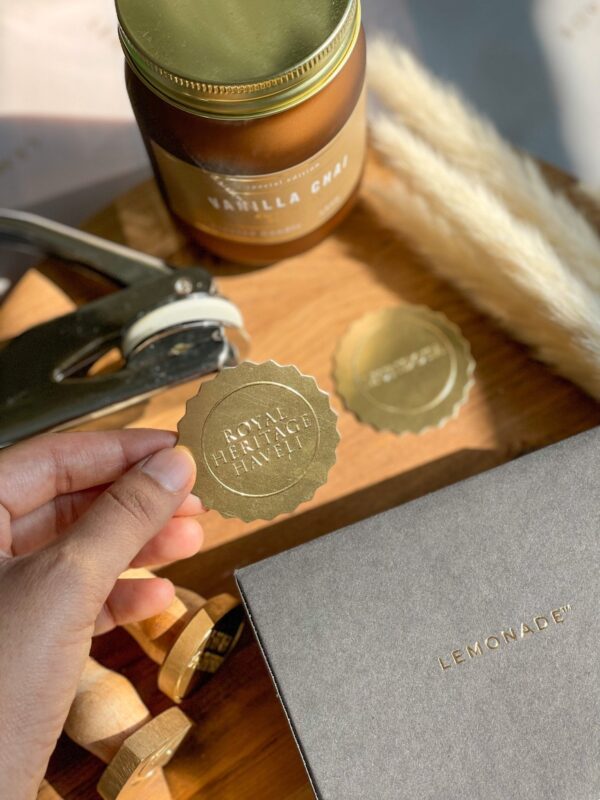
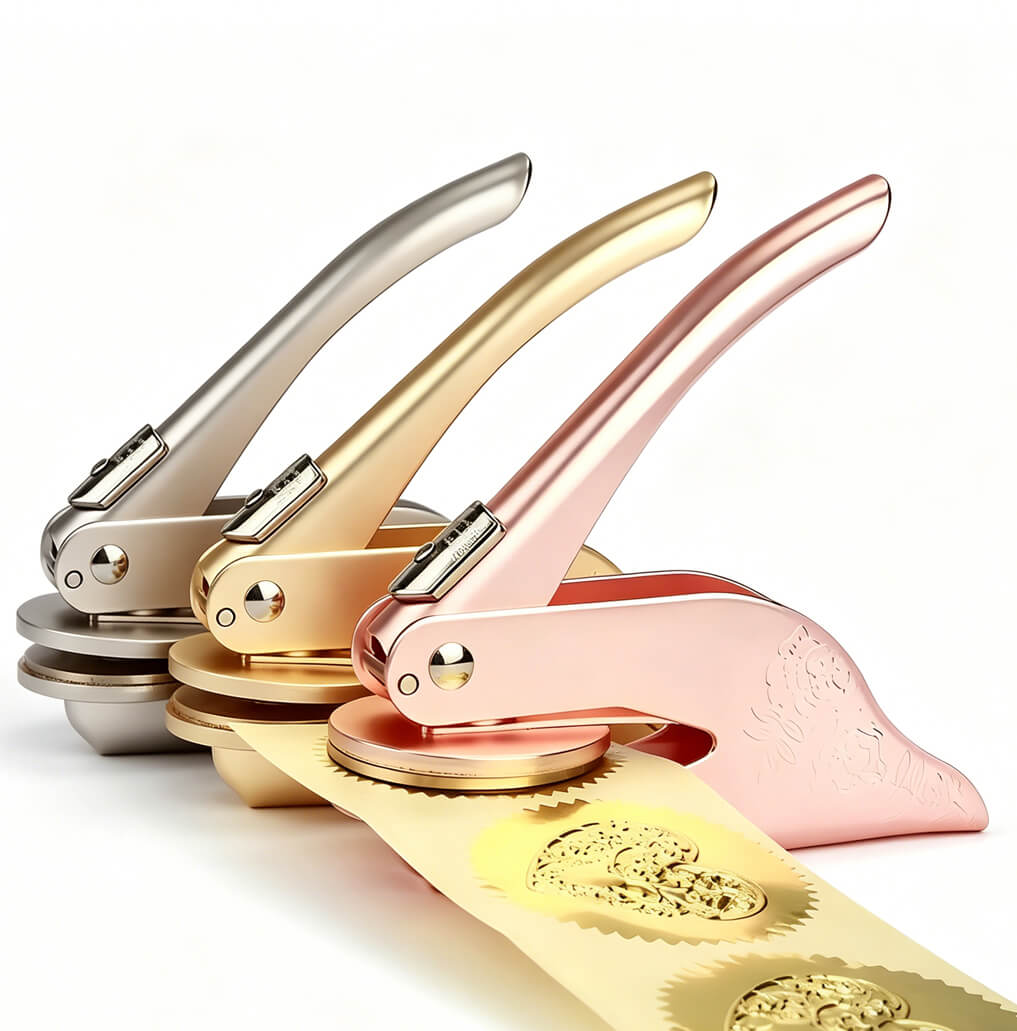
That is the power of a custom embosser for small business packaging. It costs almost nothing per impression, takes seconds to apply, and changes the entire feel of what you send out.
Why Embossing Beats Printed Labels for Small Shops
For a small shop, every packaging decision comes down to a tradeoff between cost and impact. Printed stickers and labels are cheap and fast, but they communicate something different from a raised tactile impression. A sticker says “we added a label.” An embossed mark says “we built this into the packaging itself.”
There is also the durability factor. Printed ink fades, scuffs, and smudges. An embossed impression is permanent. It does not wear off in transit, it does not fade under sunlight, and it does not peel. The same impression that leaves your workshop arrives at your customer’s door exactly as sharp.
And on the cost side, a custom embosser is a one-time purchase. You pay once for the tool and then each impression costs essentially nothing. For a shop sending out fifty to a hundred orders a month, the per-order cost drops to fractions of a cent after the first few weeks.
Four Ways Small Shops Use Embossers Right Now
Based on what shop owners are actually doing, here are four real applications that work well with a custom embosser.
1. Envelopes and Mailers
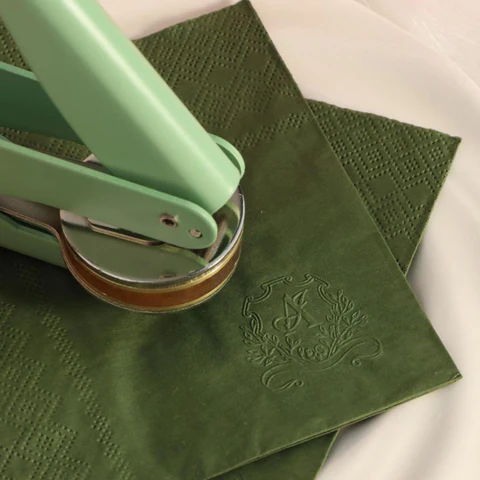
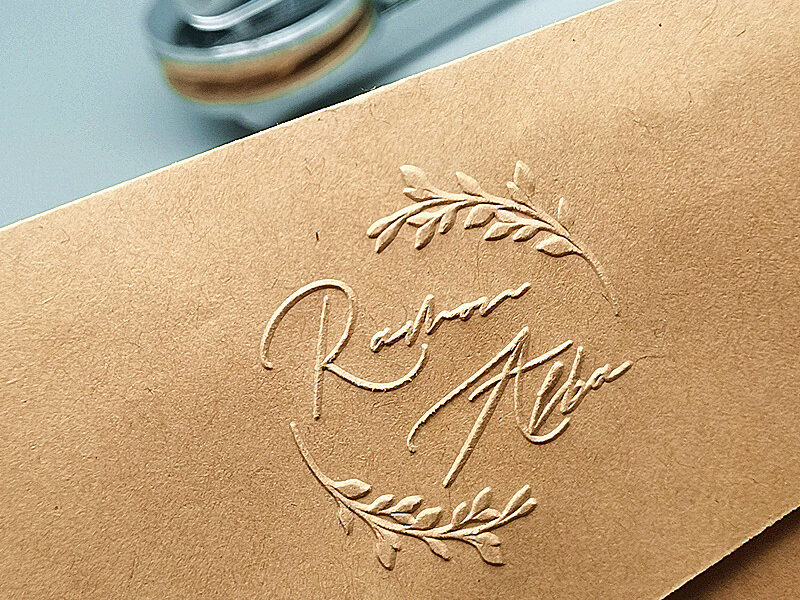
Kraft and manila envelopes take a crisp embossed impression every time. Stamp your shop name or logo on the back flap of every outgoing envelope. It is a small detail that does not add weight or postage cost, but your customer notices it the moment they pick up the mailer. This works especially well for shops that send out subscription boxes, monthly book deliveries, or small-batch product samples.
The placement matters. Center the stamp on the back flap, about one centimeter from the edge. Test on a spare envelope first to get the pressure right, then repeat on every outgoing order. Once you dial in the technique, each stamp takes about three seconds.
2. Thank-You Cards and Inserts
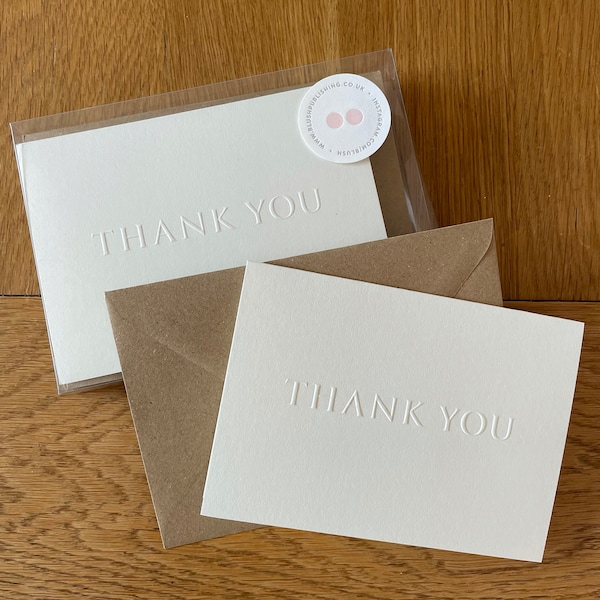
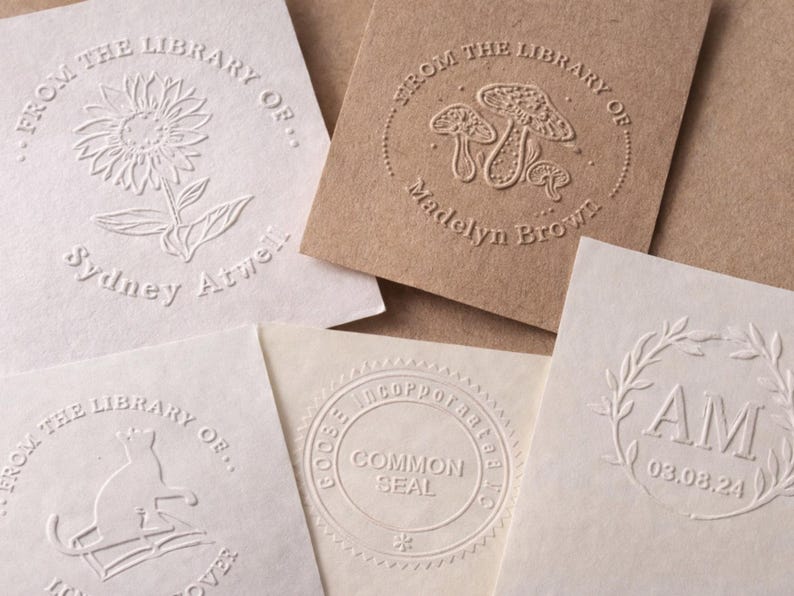
A handwritten thank-you note with a raised embossed shop mark at the top or bottom is one of the most effective low-cost loyalty builders a small shop can use. The raised impression gives the card weight. It makes the insert feel separate from the packaging rather than like an afterthought thrown into the box.
Print a batch of blank thank-you cards on 120gsm uncoated cardstock, stack them, and stamp the whole stack in one session. Store them flat and add one to each order you ship. The cost is negligible. The impact is disproportionate.
3. Product Tags and Labels
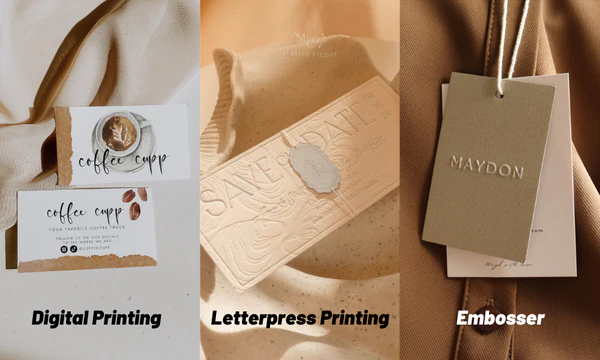
For shops selling handmade goods, a small embossed tag or label tied to the product adds handmade credibility in a way that a printed tag does not. Stamp your shop name on blank kraft tag shapes, punch a hole, and thread twine through. Attach to wrapped products, fabric items, or bundle packages.
The raised text is durable enough to survive handling and the natural kraft look complements the handmade feel most small shops work hard to cultivate.
4. Gift Wrapping and Presentation
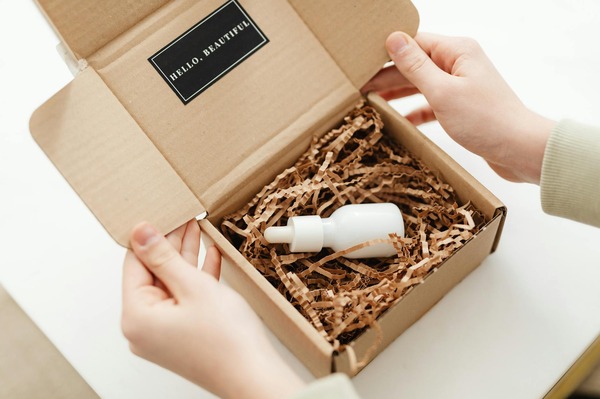
This is the application that generates the most social media attention. A plain kraft box or paper wrap with a centered embossed shop mark on the lid tells the recipient before they even open it that this is not generic packaging. The tactile detail photographs well and customers who share their unboxing on social media become free brand ambassadors.
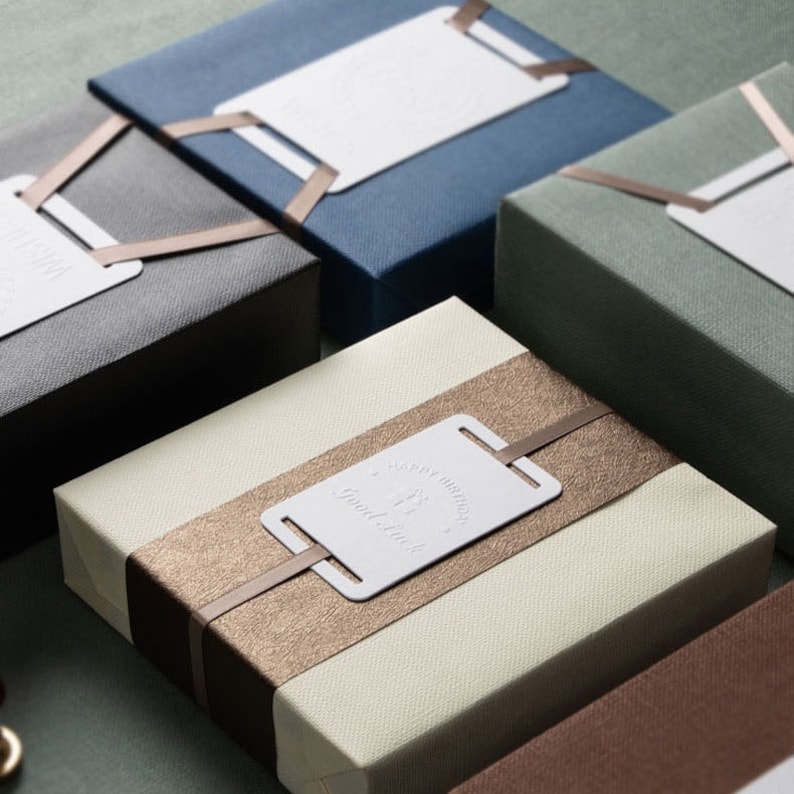
For shops that sell giftable items like books, candles, or stationery, stamping the wrap before assembly is the cleanest workflow. Stamp on flat paper before folding, then wrap the product inside.
Making the Investment Practical
A common hesitation is whether a custom embosser is worth buying specifically for packaging when printing services exist. The math answers that question fairly quickly.
A single custom embosser costs $48 and lasts for years of regular use. There are no recurring fees, no minimum order quantities, no setup charges per batch. Compare that to ordering printed envelopes or custom tags: most print shops require a minimum run of 250 to 500 pieces. If you only need 30 or 40 this month, you either pay for extras you do not need or you go without.
The embosser solves that problem completely. You make exactly as many impressions as you need, when you need them. No waste, no inventory, no minimums.
Which Empossable Surfaces Work for Packaging
Not every packaging material takes a clean embossed impression. A quick breakdown of what works and what does not:
- Kraft paper — Excellent. The slightly textured fibers hold the raised impression well. Standard kraft envelopes are a reliable choice.
- Uncoated cardstock — Excellent. Stiff enough to hold sharp detail without tearing.
- Coated or glossy paper — Fair. The coating resists the plates. You need solid pressure and the result may be shallower.
- Corrugated cardboard — Poor. The fluted structure prevents even plate contact. Impressions are faint at best.
- Plastic mailers — Not recommended. The material does not deform cleanly and marks do not hold.
For packaging, stick with uncoated paper and card surfaces. Test on a scrap of whatever material you plan to use regularly before committing to a full workflow.
The Effect on Customer Perception
There is a reason luxury brands invest heavily in packaging detail. A package that feels deliberate in its construction communicates that the product inside was treated the same way. When a small shop uses a custom embosser on its packaging, it sends a signal that cannot be faked by a sticker or a foil stamp.
The raised impression is tactile. Your customer feels it before they see it clearly. That physical interaction changes how they evaluate everything else about the package. Studies in haptic marketing have shown that people associate textured, tactile packaging with higher quality, even when the product inside is identical to a smoother-packaged version.
For a small shop competing against larger retailers, that tactile quality is an advantage the big players cannot easily replicate at scale.
Getting Started: A Simple Workflow
If you are considering adding a custom embosser to your packaging process, start small. Pick one application that fits your current order volume.
For most small shops, stamping the back flap of outgoing envelopes is the easiest starting point. It takes the least setup, uses materials you already have, and produces a result you can test within minutes of unboxing the embosser.
Once you have that dialed in, add a second application. Thank-you cards are the natural next step because they batch-stamp efficiently and serve as both packaging and marketing. From there, product tags and gift wrapping follow naturally.
Integrate the embosser into your existing packaging flow rather than treating it as a separate process. Keep it on your packing desk, stamp as you pack, and within a week it will feel like it has always been part of your routine.
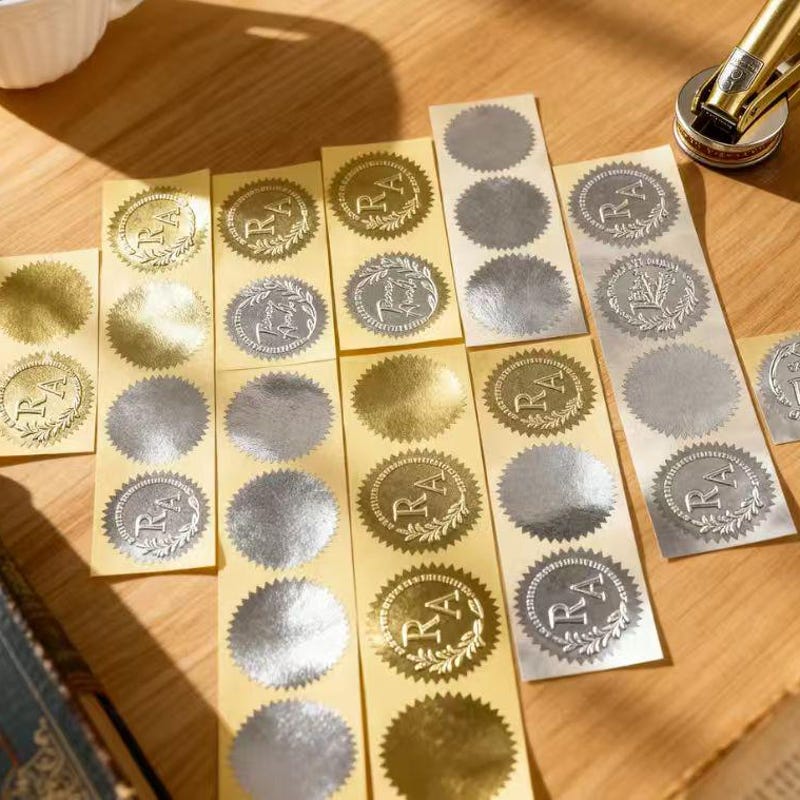
Small shops do not need to match big retailers on budget. They win on attention to detail, and a custom embosser is one of the most cost-effective detail tools available. A single, consistent, raised mark across every package you send out builds recognition faster than any logo on a sticker ever could.
 New Arrivals
 Best Sellers
 All Product
 Latest deals