
No products in the cart.


Journal
Top Questions About Die Cutting Dies — Answered
Die cutting is one of the most popular techniques in the paper crafting world — and for good reason! Whether you’re making greeting cards, scrapbook layouts, or home décor accents, die cutting opens up a world of creative possibilities. But if you’re new to the craft (or even if you’ve been doing it for a while), you probably have a few questions.
At Sumflying Craft, we’ve helped thousands of crafters find the perfect metal cutting dies for their projects. So let’s dive into the most common questions we hear — and answer them once and for all!
1. What Is Die Cutting?
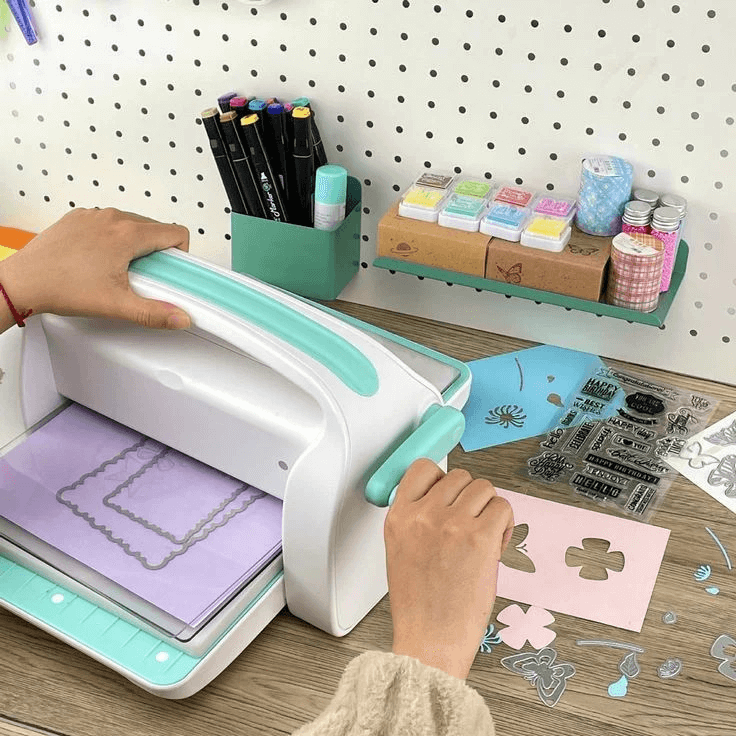
Die cutting is the process of using a machine — called a die cutting machine — to cut precise shapes, designs, and patterns from various materials. You place a thin metal die (the “die cut”) on top of your material, sandwich it between cutting plates, and run it through the machine. The result? Clean, perfectly shaped pieces every single time. It’s used for everything from making flowers, leaves, and borders for cards, to creating detailed 3D projects, labels, and banners.
2. What Materials Can Die Cutting Machines Cut?
One of the best things about die cutting is its versatility. Depending on your machine and die, you can cut:
- Cardstock and paper — the most common choice for cards and scrapbooking
- Vellum and acetate — for layered, translucent effects
- Felt and fabric — great for home décor or quilting projects
- Foam sheets — perfect for 3D dimensional elements
- Thin leather or cork — for more advanced projects
- Chipboard — for sturdier structural pieces
Most of our metal dies at Sumflying Craft are designed to work beautifully with standard cardstock and paper — the go-to materials for paper crafters.
3. What Types of Die Cutting Machines Are There?
There are two main types of die cutting machines you’ll encounter:
- Manual/mechanical die cutting machines — You turn a handle or crank to feed materials through the machine. These are simple, affordable, reliable, and compatible with most standard metal dies. Popular brands include Spellbinders, We R Memory Keepers, and more.
- Electronic/computerized cutting machines — These use software and a blade or laser to cut designs. While very versatile, they typically use proprietary digital designs rather than physical metal dies.
At Sumflying Craft, our metal cutting dies are designed for manual and universal die cutting machines — no software needed, just load and cut!
4. What Exactly Is a Die?
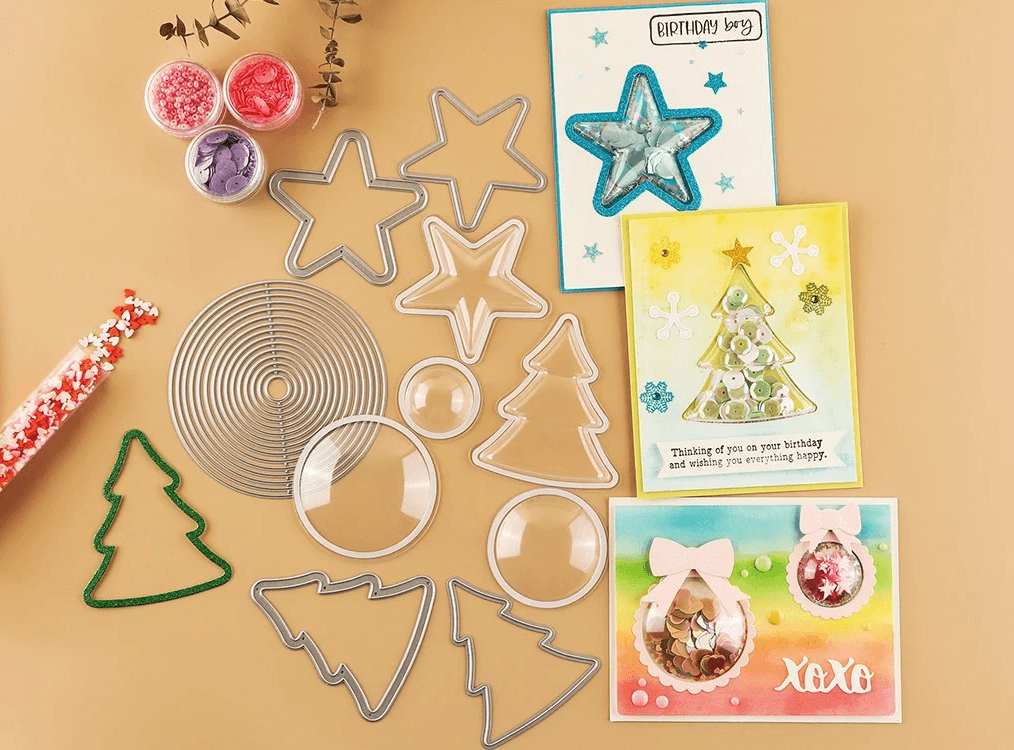
A die (also called a metal cutting die or die cut) is a thin metal template with sharp cutting edges shaped into a design. When pressure is applied through a machine, the die cuts through your material like a cookie cutter — but with incredibly fine detail. Dies come in thousands of designs: flowers, leaves, words, frames, animals, holiday shapes, geometric patterns, and more. At Sumflying Craft, we carry a wide range including:
5. What Are Cutting Plates / Cutting Pads?
Cutting plates (also called cutting pads) are the flat, rigid plates that go above and below your die-and-material sandwich as it passes through the machine. They evenly distribute pressure so the die cuts cleanly through the material. Most machines come with a set of cutting plates. They wear out over time and need replacing — you’ll notice uneven cuts or the die not cutting all the way through when this happens.
6. Are Your Metal Dies Compatible With My Machine?
This is one of the questions we get asked most often! Our metal cutting dies are designed to be universally compatible with most standard die cutting machines, including:
- Spellbinders Grand Calibur / Platinum
- We R Memory Keepers Evolution
- Sizzix Big Shot / Big Shot Plus
- Tim Holtz / Tonic Studios machines
- Most other manual/crank-operated machines
If you’re unsure, feel free to contact us — we’re happy to help confirm compatibility before you order!
7. Can I Cut Multiple Layers at Once?
Yes! You can cut multiple layers of material in a single pass. However, there are a few things to keep in mind:
- The combined thickness of all layers must fit within your machine’s cutting capacity
- Thicker materials (like chipboard or felt) may need to be cut individually
- Always do a test cut with scrap material first to confirm clean cuts
Cutting multiple sheets of cardstock at once is a huge time-saver, especially for layered die projects like our popular 3D Layered Bow Die.
8. How Do I Get Clean Cuts Every Time?
Here are some pro tips for perfect cuts:
- Use good quality cardstock — flimsy paper won’t give you crisp edges
- Replace worn cutting plates — old plates cause uneven pressure
- Add shims — thin cardboard layers that increase pressure if your die isn’t cutting all the way through
- Keep your dies clean — tiny paper scraps stuck in the die can affect cuts. Use a soft brush to clean them out
- Store dies flat — warped dies won’t cut cleanly
9. How Do I Care for My Metal Cutting Dies?
With a little care, metal dies can last for years and years. Here’s how to keep them in top shape:
- Clean after each use with a soft brush or lint roller to remove paper debris
- Dry completely if any moisture gets on them — metal can rust
- Store in a dry, organized space — magnetic sheets, binder pockets, or die storage books work great
- Never force a die through a machine — if it feels too tight, check your plate setup
10. Where Can I Find Beautiful, Affordable Metal Cutting Dies?
Right here at Sumflying Craft! We offer a wide selection of high-quality metal cutting dies at prices that won’t break the bank. From intricate floral sets to whimsical seasonal designs, there’s something for every crafter and every project. Browse our full collection:
Happy crafting! If you have any other questions about die cutting or our products, don’t hesitate to reach out. We love hearing from fellow crafters!
Got a question we didn’t cover? Leave a comment below — we’d love to help!
 New Arrivals
 Best Sellers
 All Product
 Latest deals